


Security
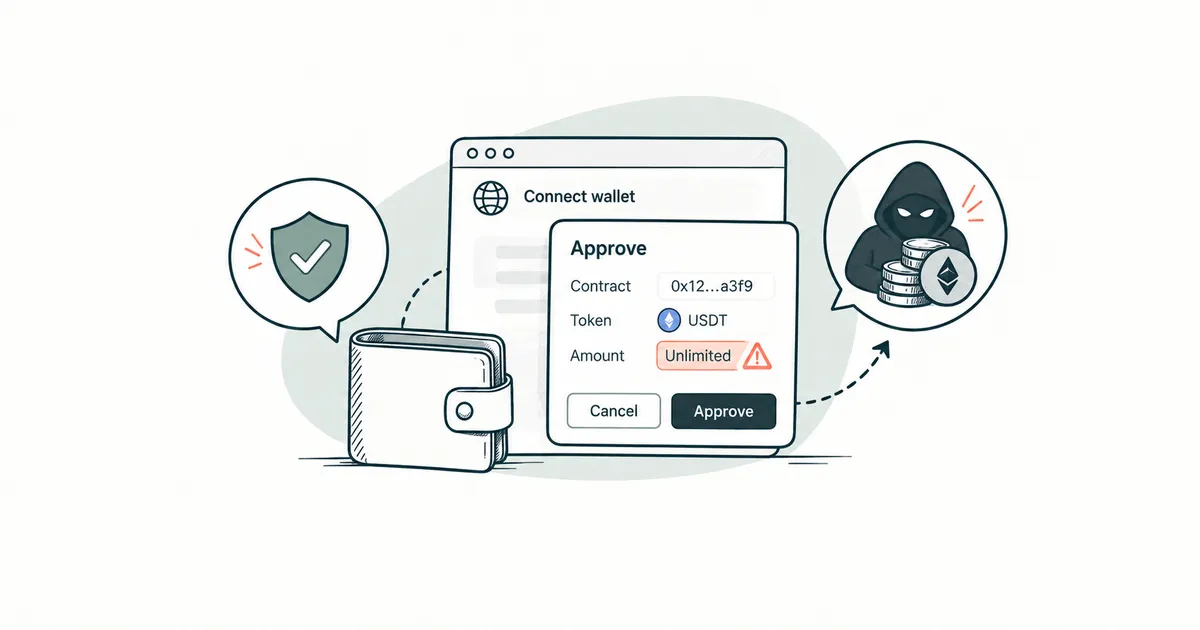 Staying safe when connecting a crypto wallet
Connecting a wallet to a site isn't the risk — the rights you grant with an “Approve” signature are. What an approve is, what to check before signing, and how not to lose your money.
Storing and wallets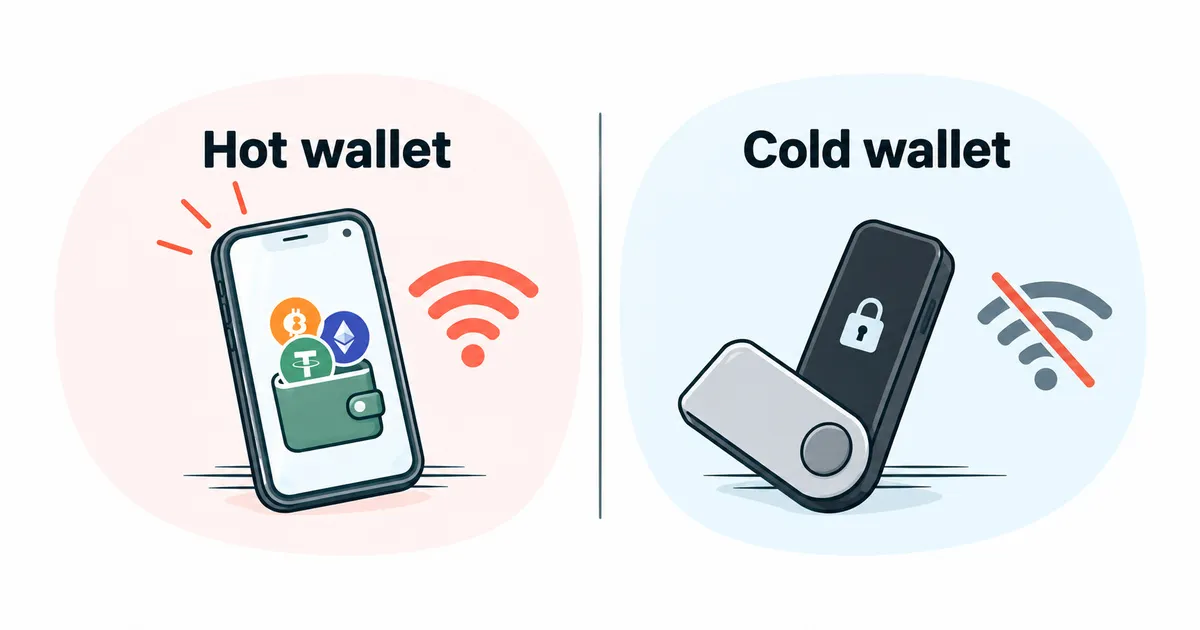 Hot vs cold crypto wallet — what's the difference?
A hot wallet is always online, a cold one stays offline: how they differ and which to choose for your amount and how often you transact.
Storing and wallets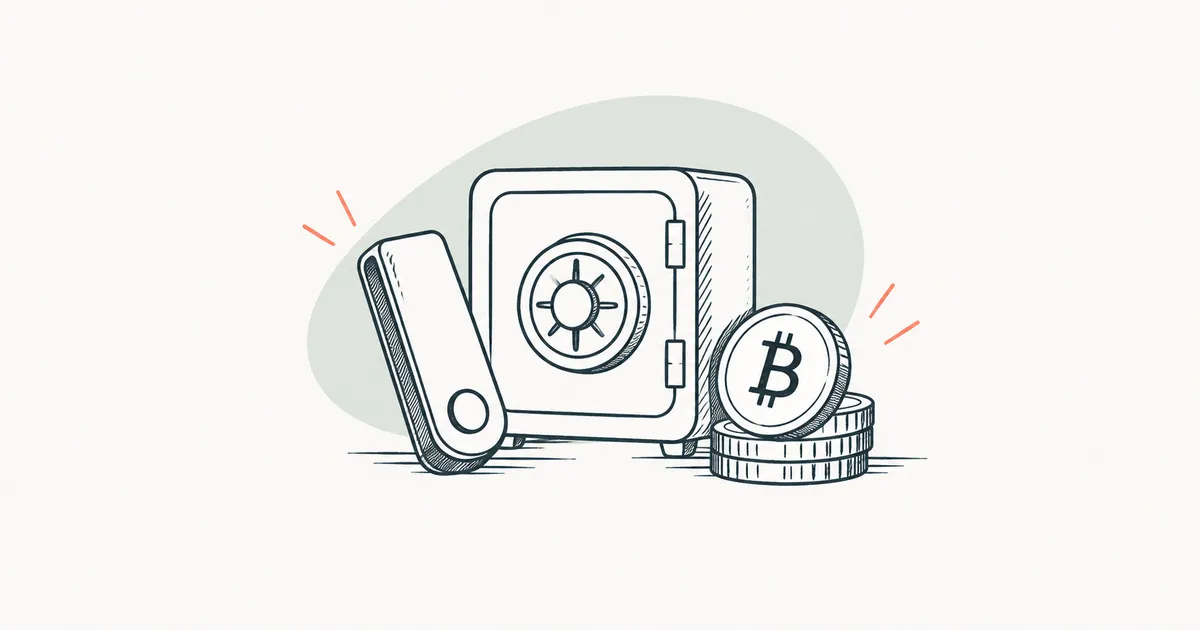 How to store crypto — hot and cold wallets
Store crypto step by step: choose an exchange or your own wallet, pick the wallet type, write down the seed phrase, and make a test transfer.
Choosing a wallet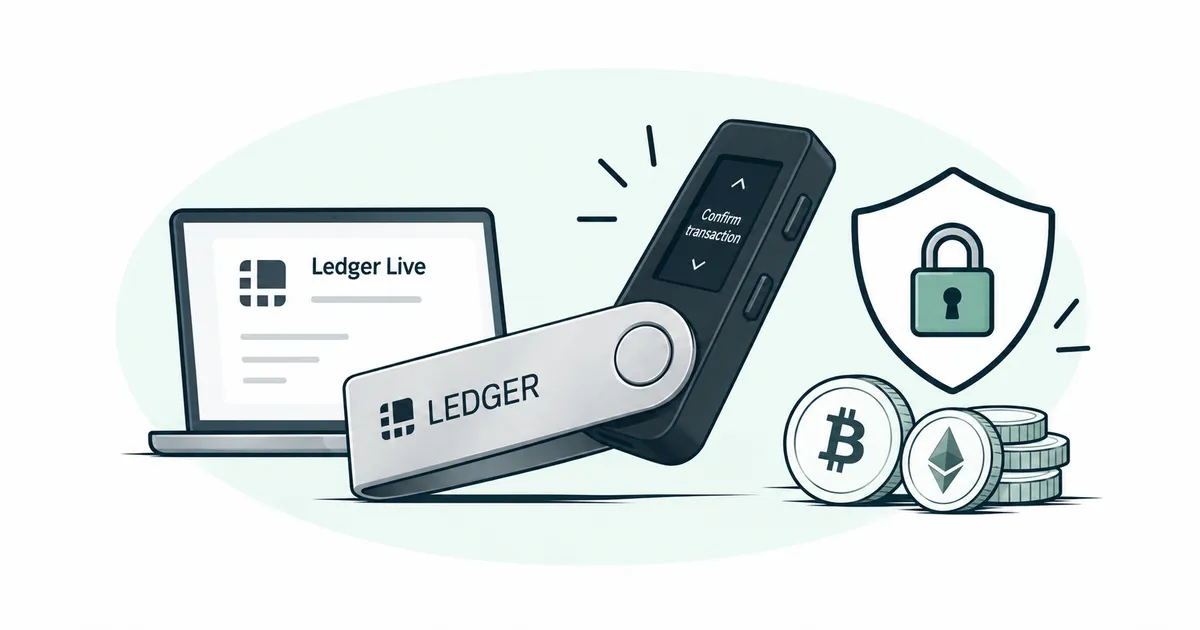 Ledger — a review of the hardware wallet, its security and risks
A hardware (cold) wallet: keys offline, every send confirmed on the device itself. The offline key reduces the risk of remote theft — this type is usually chosen for savings; paid and less convenient for everyday use.
Storing and wallets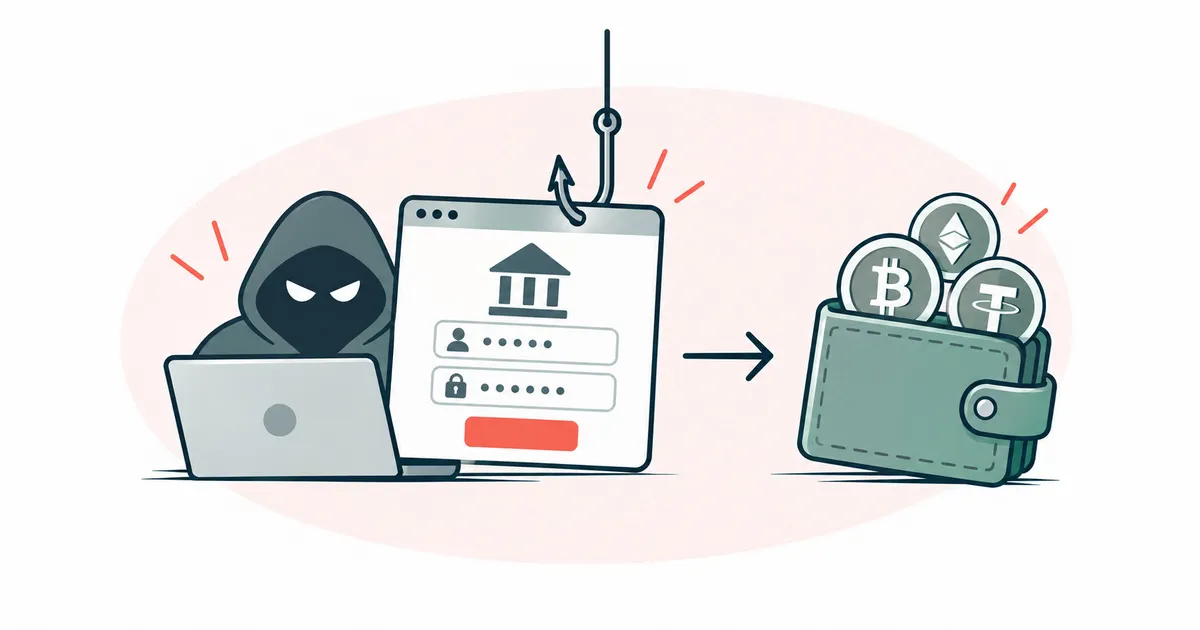 What are phishing and scams in crypto?
Most beginner losses aren't a hack but a con: how look-alike sites, fake support and “giveaways” work, and how to spot them.
Storing and wallets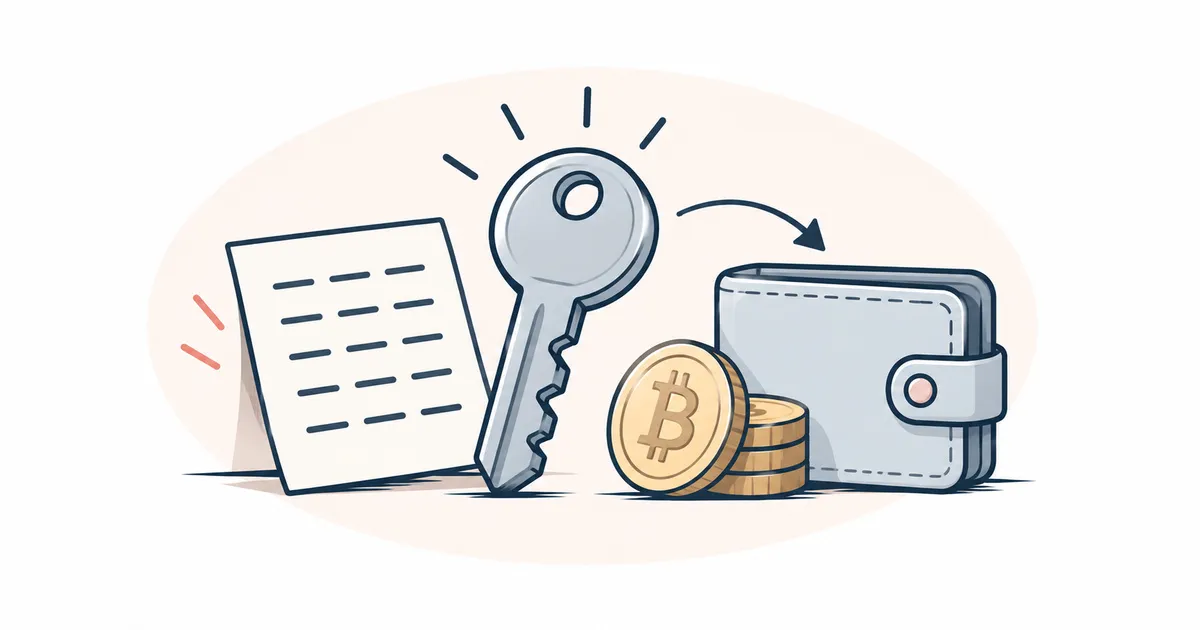 What is a private key in crypto?
Your private key is your access to your money. What it actually looks like, how it differs from a seed phrase, and why you never show it to anyone.
Storing and wallets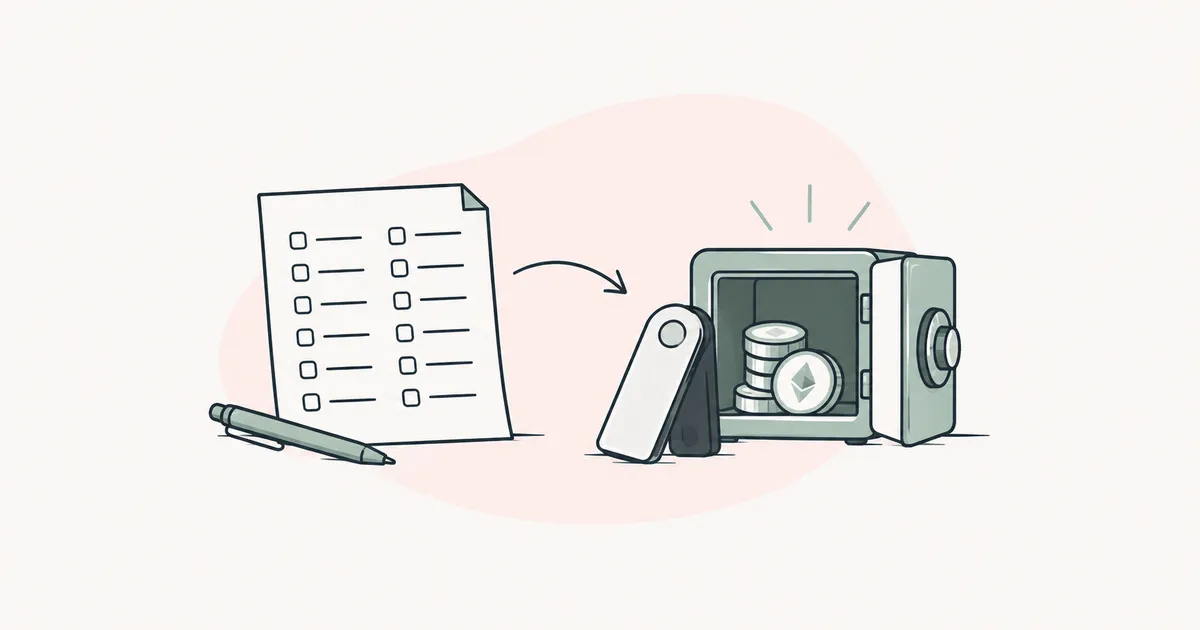 What is a seed phrase?
The 12 words that restore your whole wallet: what a seed phrase is, what it looks like, and why you never type it into a website.