


Coins
Catalog of crypto assets by class: network coins, stablecoins, tokens and NFTs — what each is and what to look at.
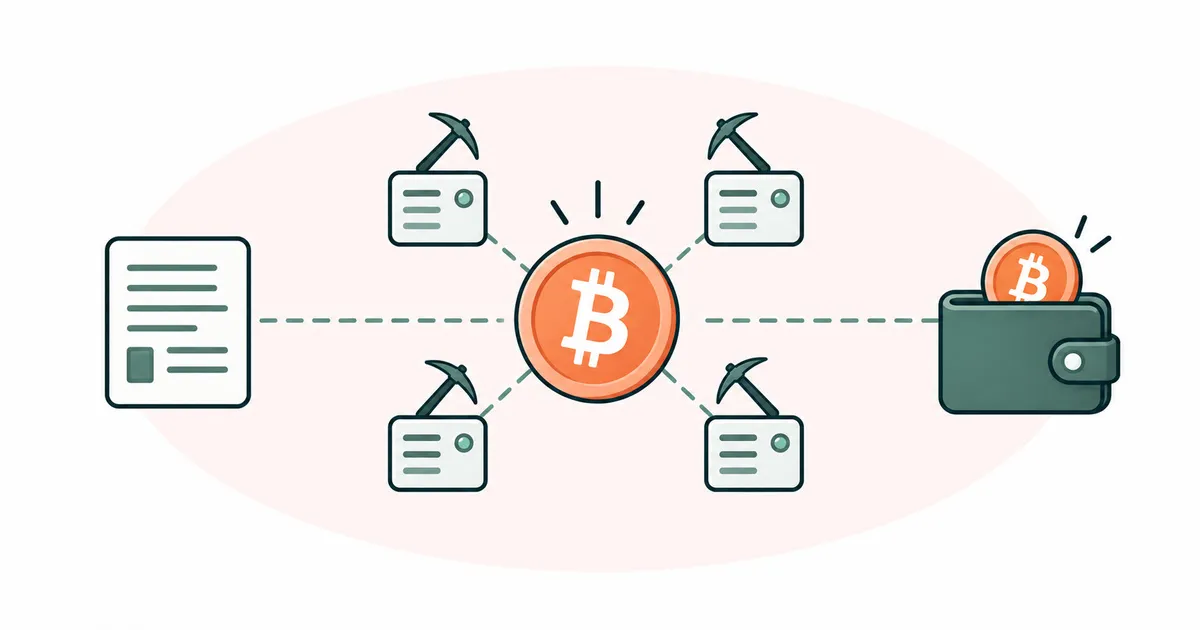
Bitcoin is the first cryptocurrency: no more than 21 million coins, no bank, an open network of miners. How it works, who created it and the risks. →
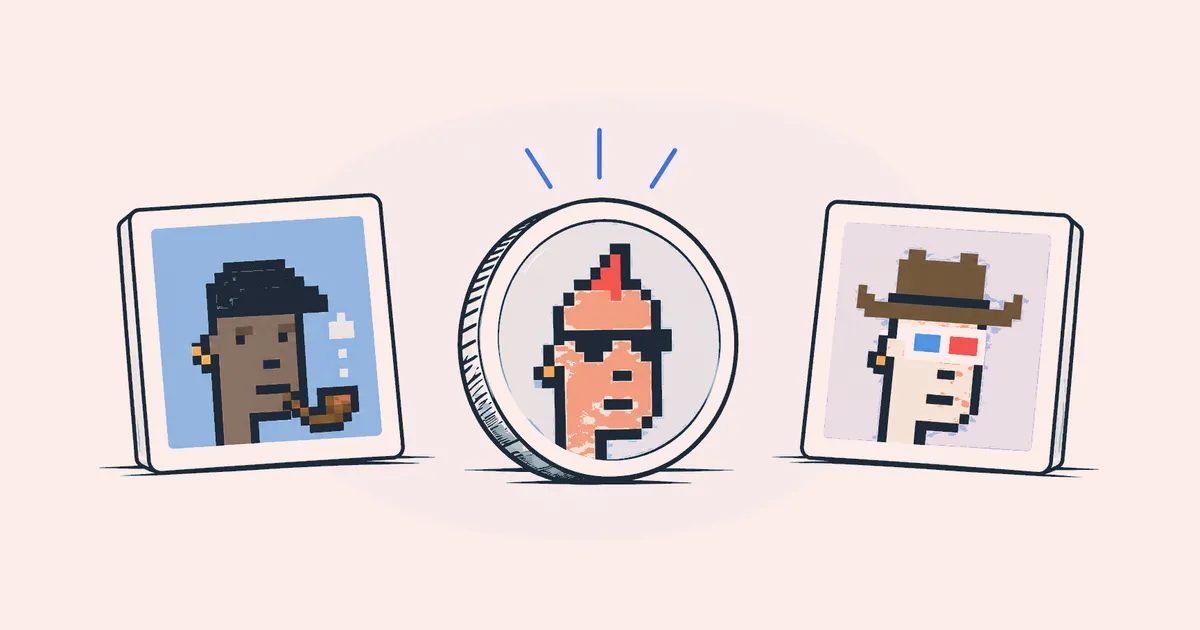
CryptoPunks are 10,000 pixel characters from 2017 that started the NFT market. What you actually own, why they became famous, and the risks. →
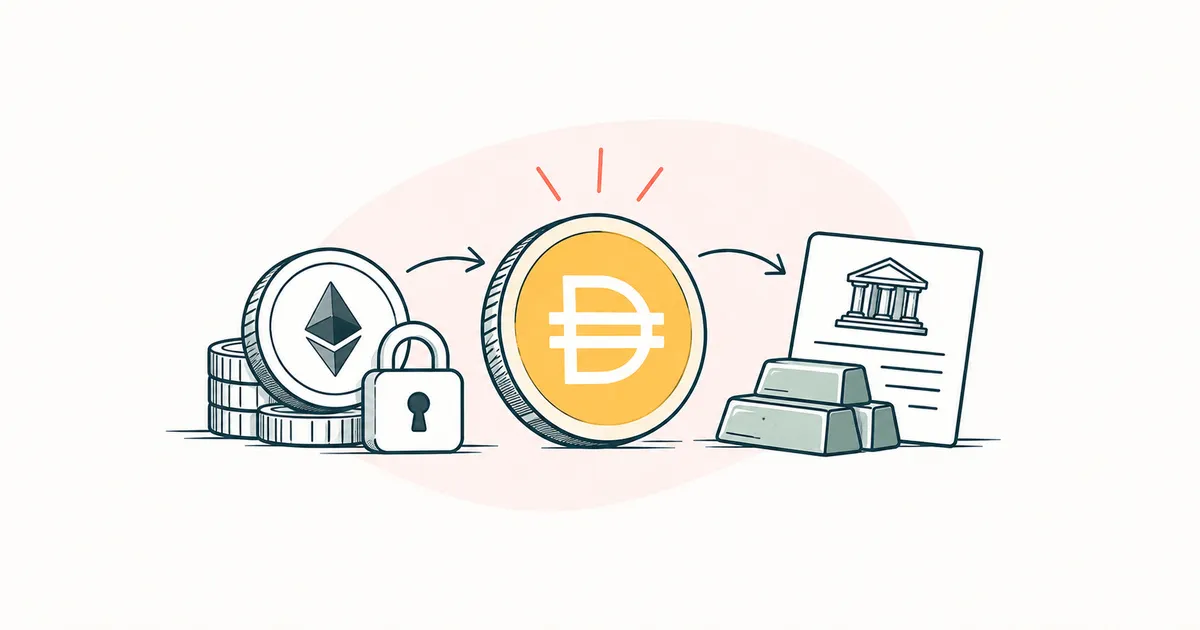
DAI is a dollar stablecoin backed by collateral, not a company. How it works, its risks, and what the switch to USDS means. →
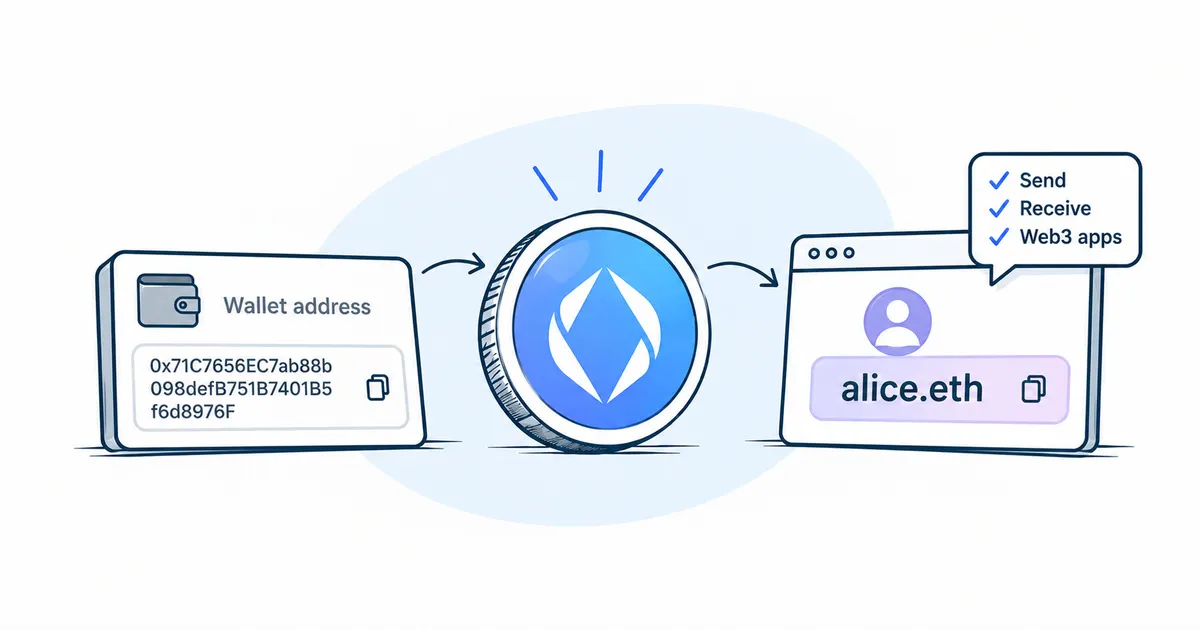
ENS gives your wallet a short name like alice.eth instead of a long address. How it works, how it differs from a web domain and why you renew it. →
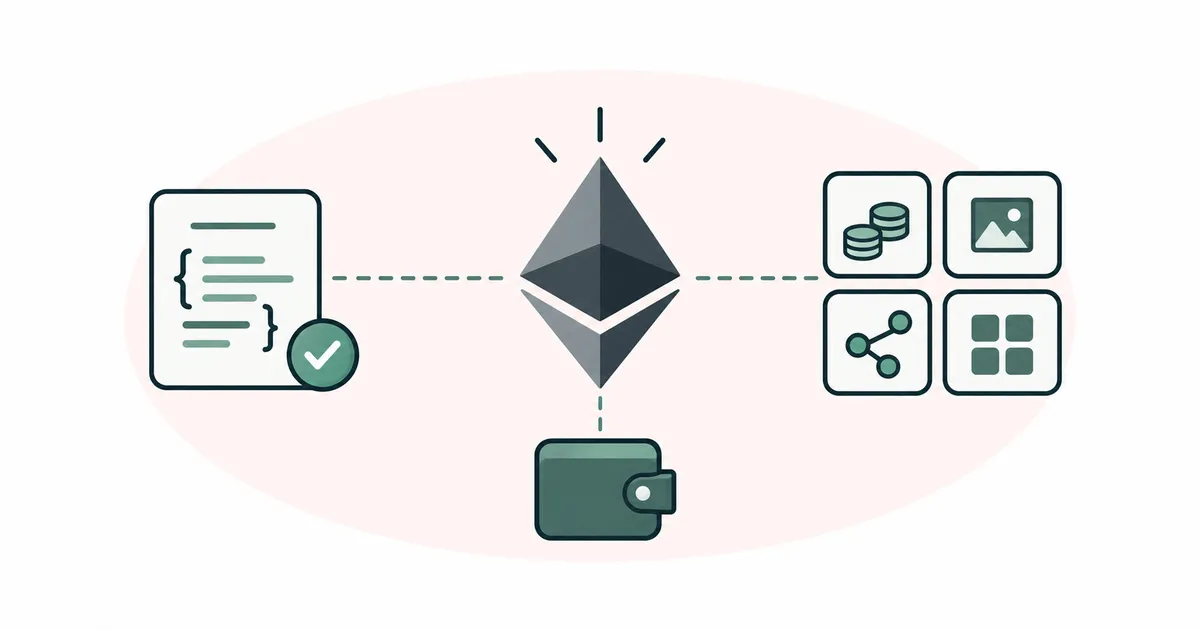
Not just a coin but a “big shared computer” for smart contracts: how Ethereum works and what ETH and gas are. →
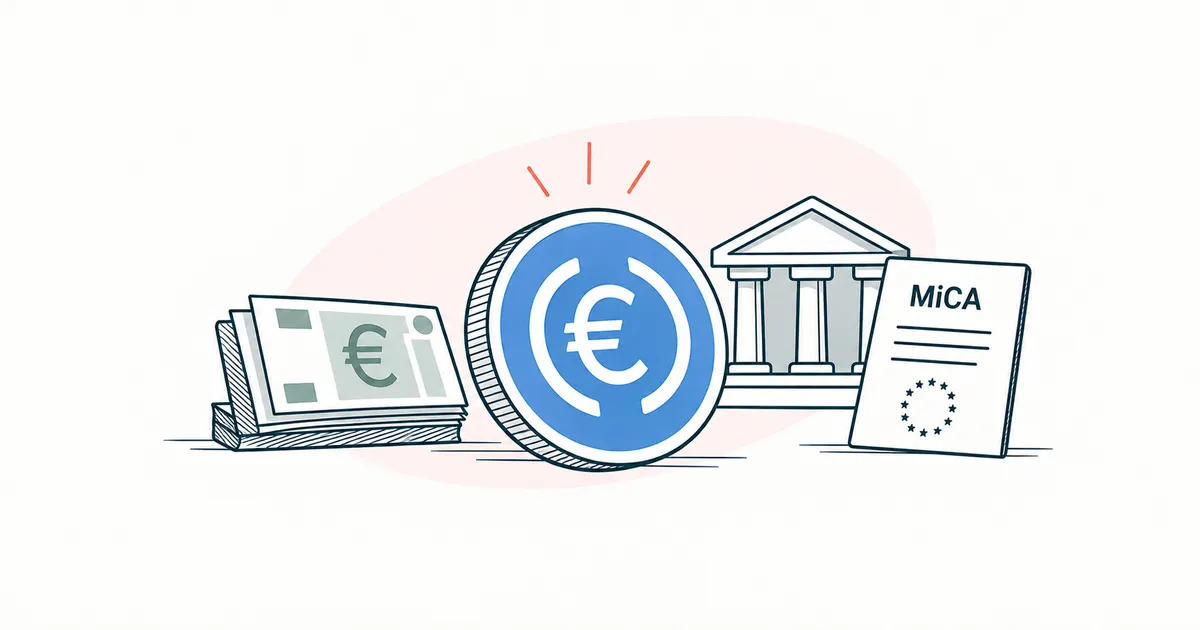
EURC is a stablecoin that tracks the euro, not the dollar. Who issues it, what backs it, and why its dollar price floats. →
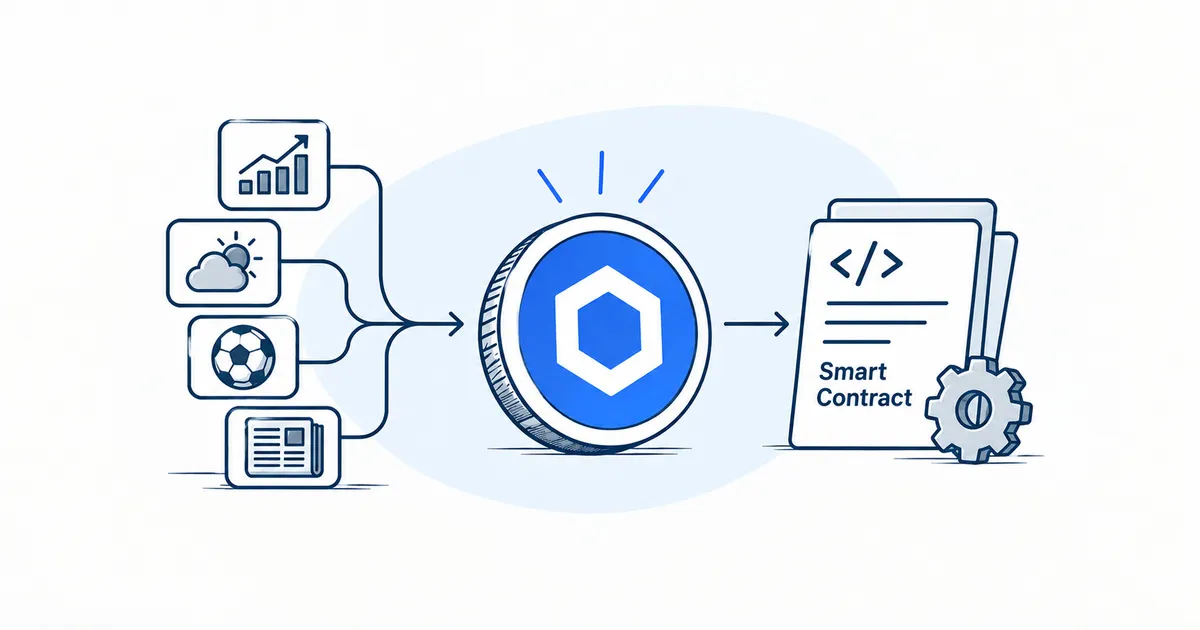
Chainlink brings outside-world data to smart contracts: prices, facts, event outcomes. What an oracle is, what the LINK token is for and what the risks are. →
Solana is a fast, cheap network for payments and apps, and SOL is its coin. Why your wallet needs SOL, where the network is used, and the risks. →
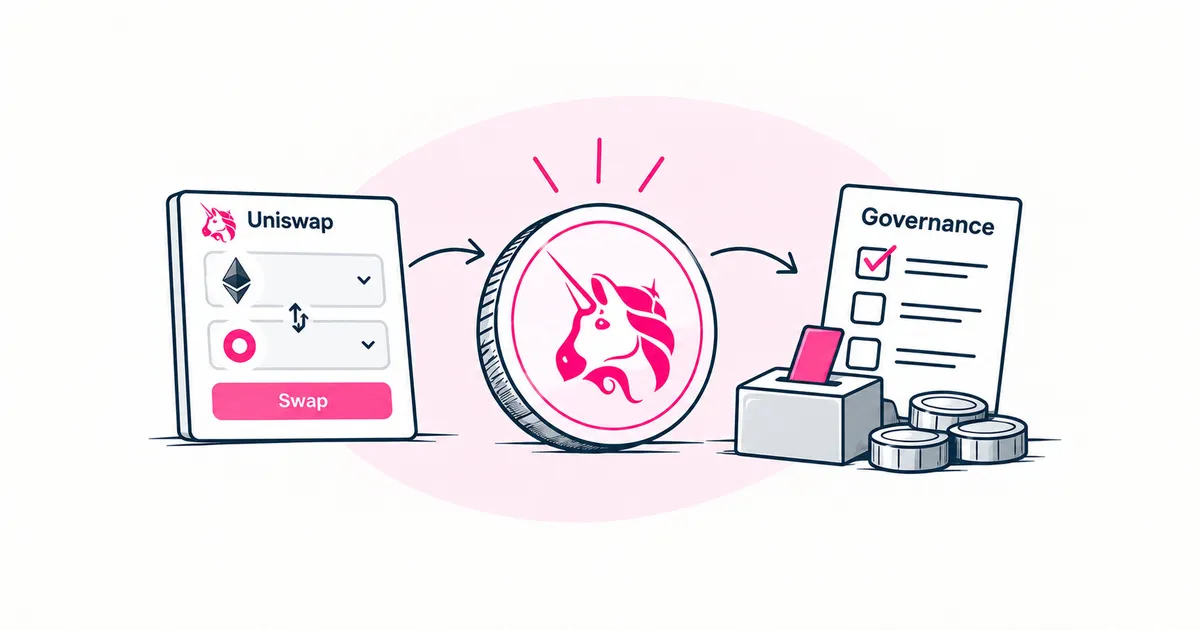
UNI is the Uniswap exchange token that gives a vote on how it develops further. How voting works, why the exchange's fees burn UNI, how it differs from a stock, and the risks. →