


How crypto works
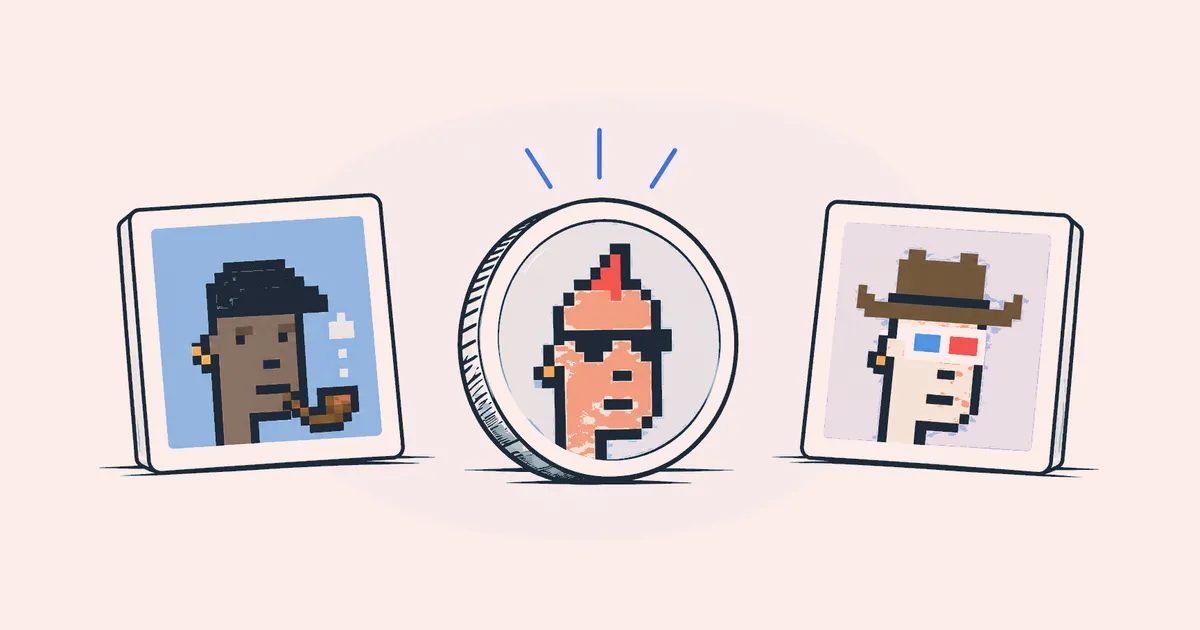 CryptoPunks — one of the first NFT collections
CryptoPunks are 10,000 pixel characters from 2017 that started the NFT market. What you actually own, why they became famous, and the risks.
Service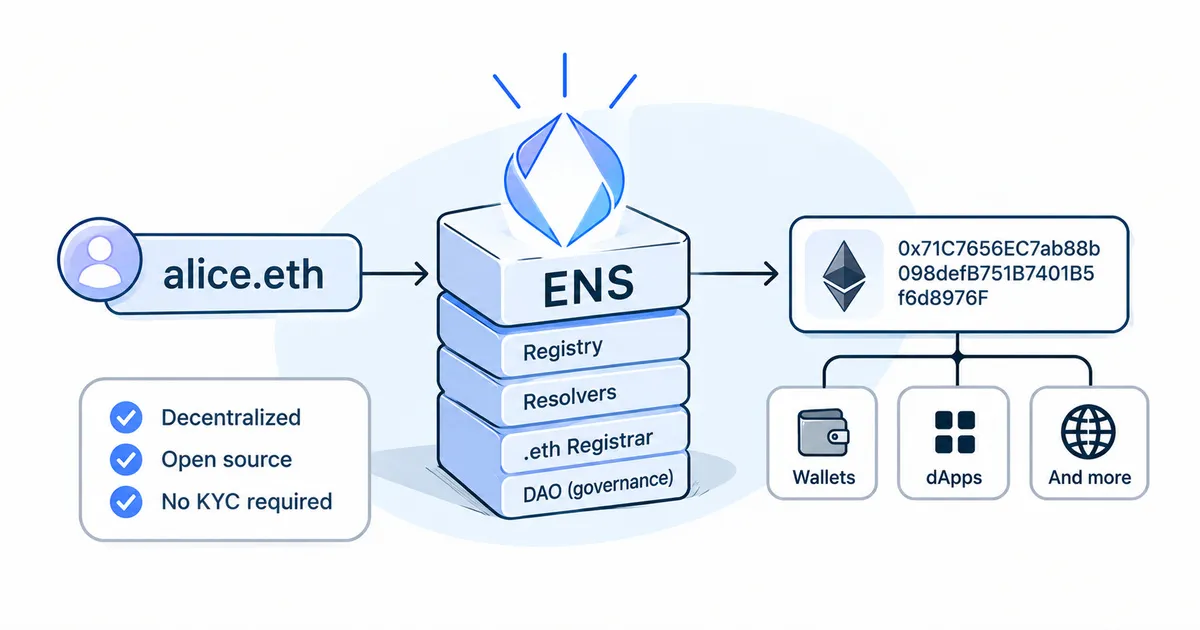 ENS — how to register and renew a .eth name Ethereum
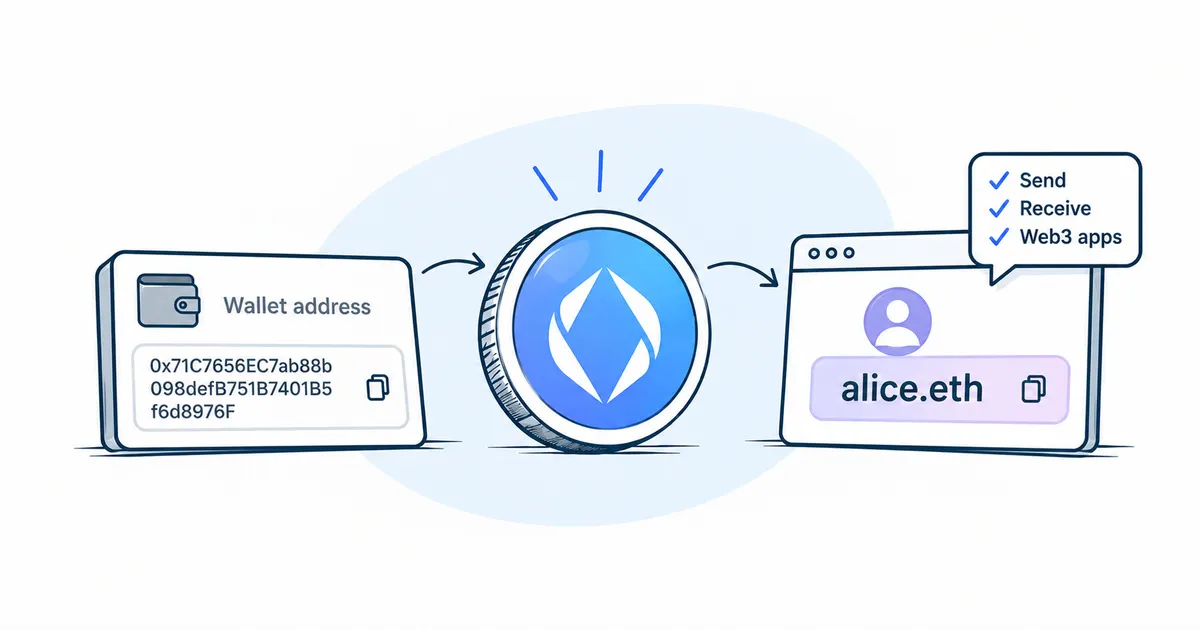 ENS (Ethereum Name Service) — a .eth name instead of an address
ENS gives your wallet a short name like alice.eth instead of a long address. How it works, how it differs from a web domain and why you renew it.
Asset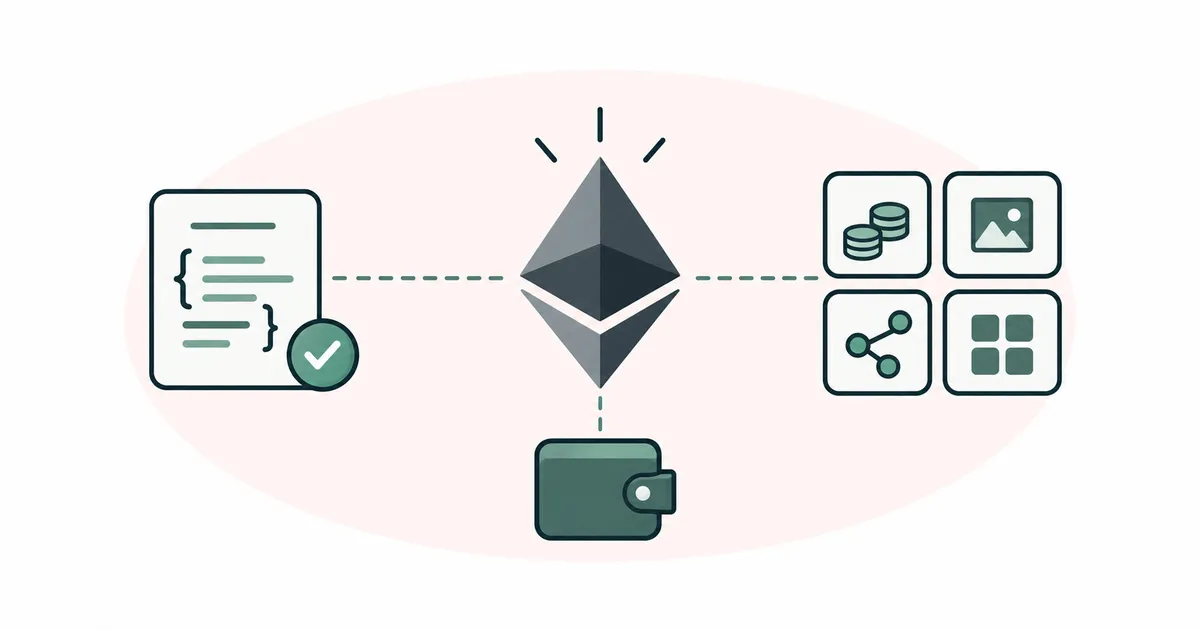 Ethereum (ETH) — the smart-contract network
Not just a coin but a “big shared computer” for smart contracts: how Ethereum works and what ETH and gas are.
Token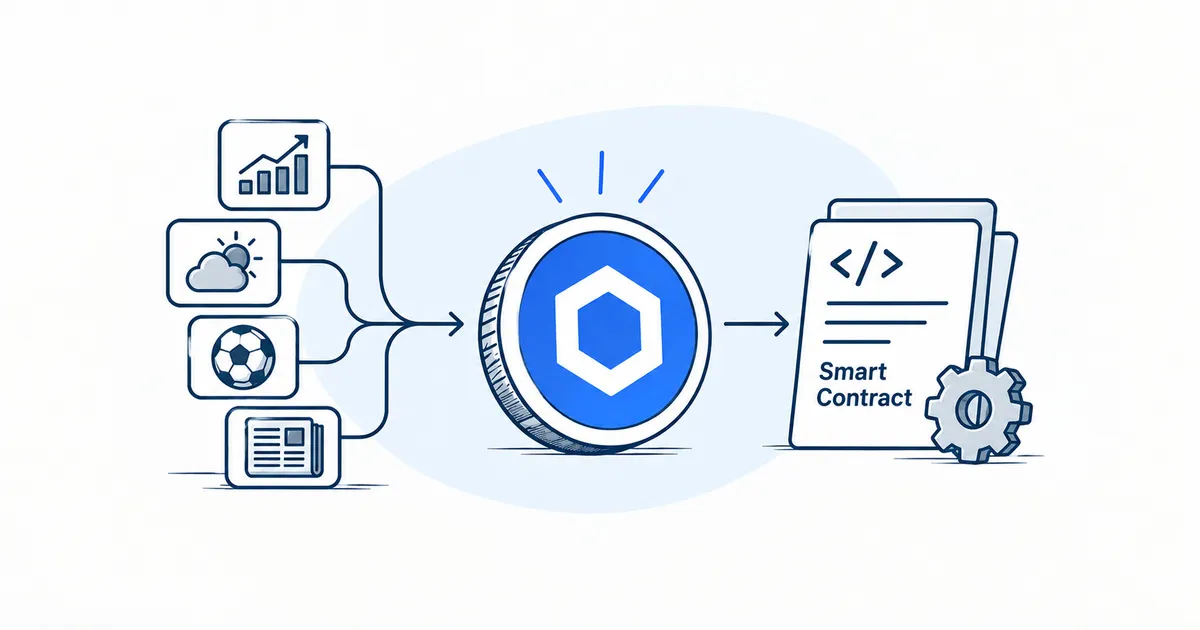 Chainlink (LINK) — the oracle network and its token
Chainlink brings outside-world data to smart contracts: prices, facts, event outcomes. What an oracle is, what the LINK token is for and what the risks are.
Article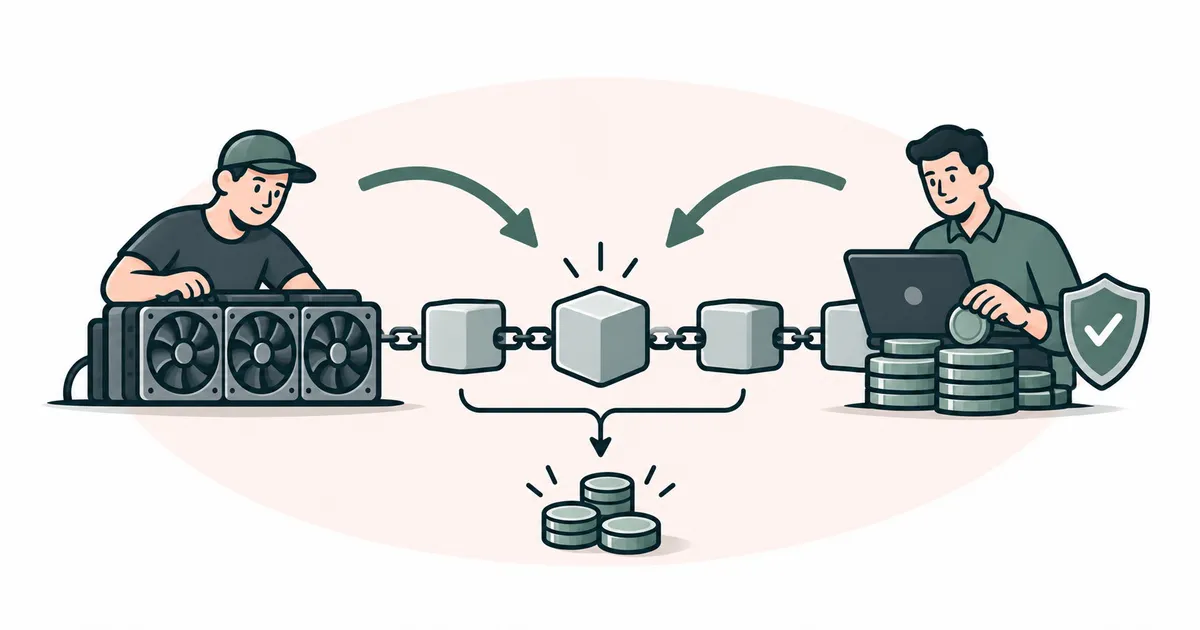 Who are miners and validators in a blockchain?
Who actually adds records to the network and gets rewarded for it: miners and validators in plain words.
Chain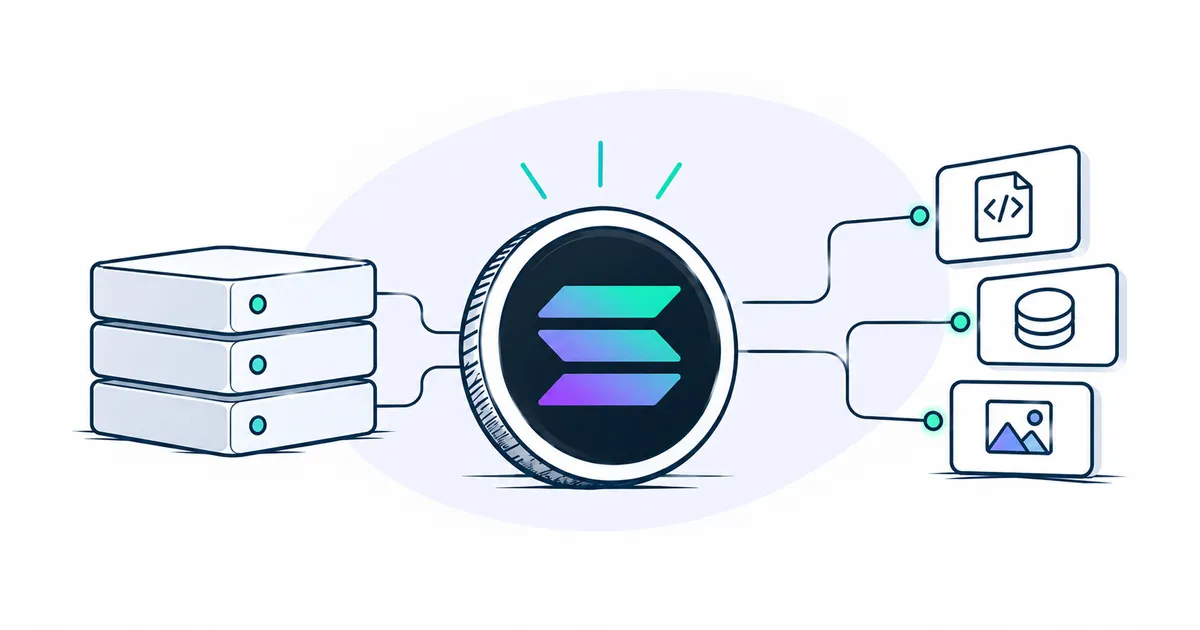 The Solana network — how it works and how reliable it is
The Solana network is a blockchain, that is, a shared record of transfers kept at the same time by thousands of computers, and it was built for speed. Transfers on it are confirmed by validators, participants who keep SOL coins locked up as a deposit. The network has stopped completely several times before. Since 21 October 2026 it has run on a new voting system, Alpenglow, designed to confirm a transfer in well under a second.
Network coin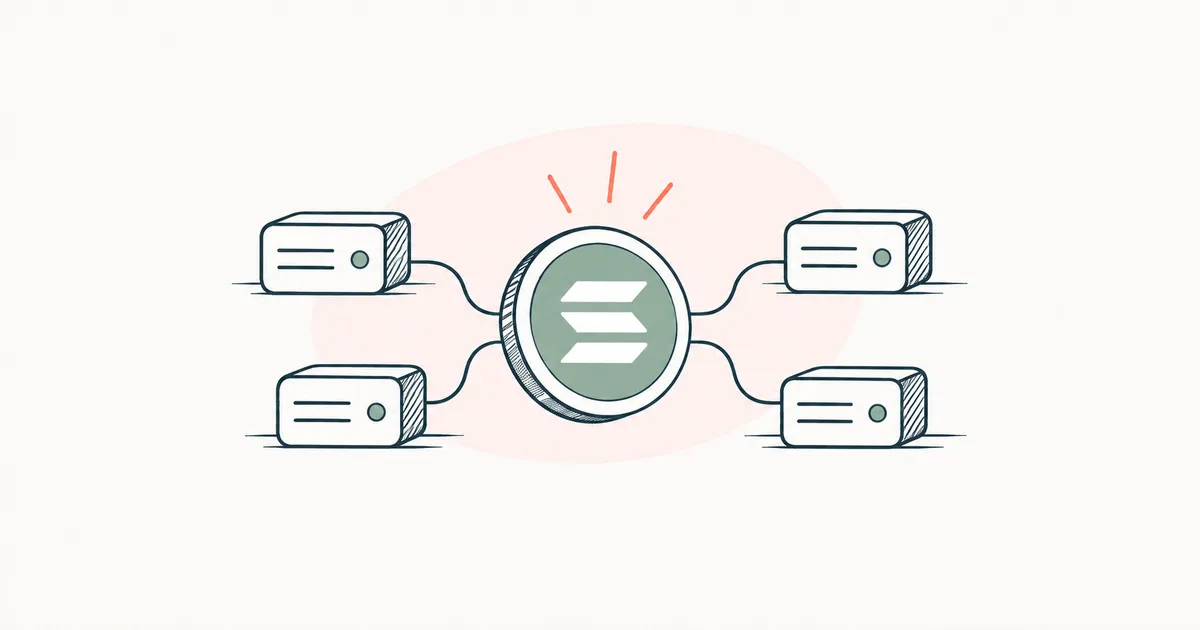 Solana (SOL) — a fast network and its coin
Solana is a fast, cheap network for payments and apps, and SOL is its coin. Why your wallet needs SOL, where the network is used, and the risks.
Ethereum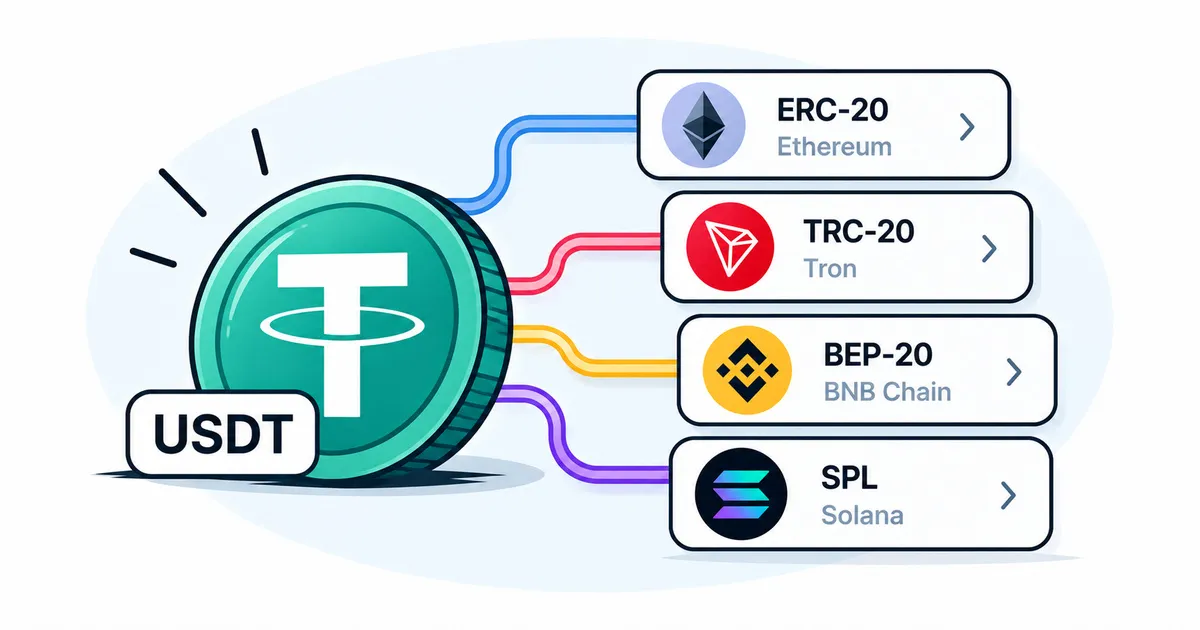 What a token standard is, and why "USDT ERC-20" and "USDT TRC-20" are different networks
A token standard is the shared set of rules that lets wallets and exchanges read a token the same way. Why "USDT ERC-20" and "USDT TRC-20" mean the same token on two networks.