How to buy crypto — a step-by-step plan for beginners
In short — how to buy crypto
Buying cryptocurrency means choosing where to buy, passing identity verification, paying by a convenient method, and immediately deciding where to store what you bought. The easiest way for a beginner is through a crypto exchange with a card, through a direct purchase provider, or through P2P, that is, a deal directly with another person through a platform.
What you need to buy crypto
Three things will come in handy in advance. First, an ID document for verification, a check that is called KYC; at ordinary, that is centralized, exchanges registration and verification are usually mandatory, and their extent depends on the service and the country, whereas with P2P and swapping from your own wallet the requirements differ. Second, a payment method, that is, a card, a bank transfer, or P2P, and what of this is available depends on the country. Third, an understanding that the phrase "I bought crypto" sounds too vague, since what matters is which coin exactly and why, which the article what is cryptocurrency covers. Owning crypto by itself brings no income and promises no growth.
How to buy crypto — step by step
Step 1. Decide where to buy
The buying method determines the convenience, the level of legality, and who has control over the funds. The guideline is simple: the most legal way is to buy where the service has a license. Legal options include licensed crypto exchanges, licensed direct purchase providers, and offline companies, that is, exchange offices, with a license.
Recognizable platforms differ by region, and these are examples for orientation, not a recommendation. In Europe, under the MiCA rules, licensed ones include, for example, Kraken, Coinbase, Bitstamp, Bitpanda, and Bitvavo. In Latin America the well-known ones are Bitso, Mercado Bitcoin, and Ripio, operating under local regulation. In Asia the familiar names are bitFlyer in Japan, Upbit in South Korea, Bitkub in Thailand, and Coins.ph in the Philippines, each under the supervision of its own regulator. What exactly is available and whether the license is valid in your country is worth checking on the service's official site and with the local regulator.
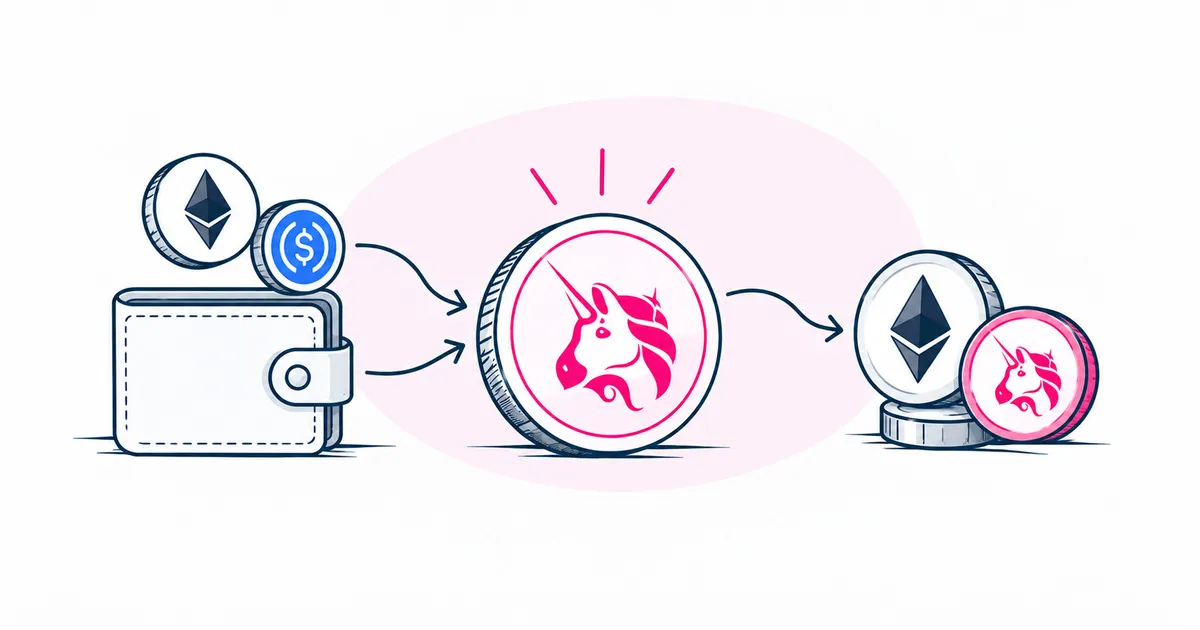
Let's go through the options by type. An ordinary, centralized exchange with a license is the most common choice for a first purchase by card, with registration, KYC, and a purchase in a couple of clicks, an example of this model is Binance, and the funds are at first under the exchange's control. Direct purchase providers are services that sell crypto for ordinary money right on a site or inside a wallet, for example MoonPay, Simplex, Ramp, Banxa, and Transak, and with licensed providers the purchase is simple, though the fee tends to be higher. Exchange offices, that is, online exchange points, are convenient, but are often just a partner storefront for the same providers, so look at whose license stands behind them and what their reputation is. P2P is a deal directly with another person through a platform, usually cheaper, but with its own risks, covered below. A decentralized exchange, called a DEX, suits you when you already have your own wallet and a little crypto for the fee, the swap goes straight from the wallet, an example is Uniswap, though for the very first purchase with ordinary money it is not suitable.
How to choose between services by facts, not by someone else's top list, is covered in the hub exchange ratings.
Step 2. Register and pass identity verification
At an ordinary exchange you usually need an account and KYC, that is, identity verification by passport and selfie. This is standard for such services, and the specific requirements depend on the country.
Step 3. Choose a payment method and look at the fee by layers
There is no single purchase price, so look at it by layers. The first layer is depositing money, and here by card it is usually faster but more expensive, while a bank transfer or P2P is, as a rule, cheaper. The second layer is the trade itself, a purchase or swap has its own fee, and sometimes it is baked into the rate, that is, hidden in the spread, rather than shown as a separate line, so before confirming compare the rate with the market one. The specific numbers change and depend on the country.
Then check the result. If you see the final amount and the rate and they suit you, buy, and if the rate is noticeably worse than the market one or hidden charges surfaced, stop and compare with another method.
Step 4. Buy a small amount first
Make the first purchase a small one, to master the process without risk. Many beginners start with large coins, such as Bitcoin or Ethereum, or with a stablecoin, to hold value in dollars, which the article what is a stablecoin covers. What to buy is your decision, and our reference helps you see the difference, it does not advise a specific coin.
Step 5. Decide whether to leave it on the exchange or move it to your own wallet
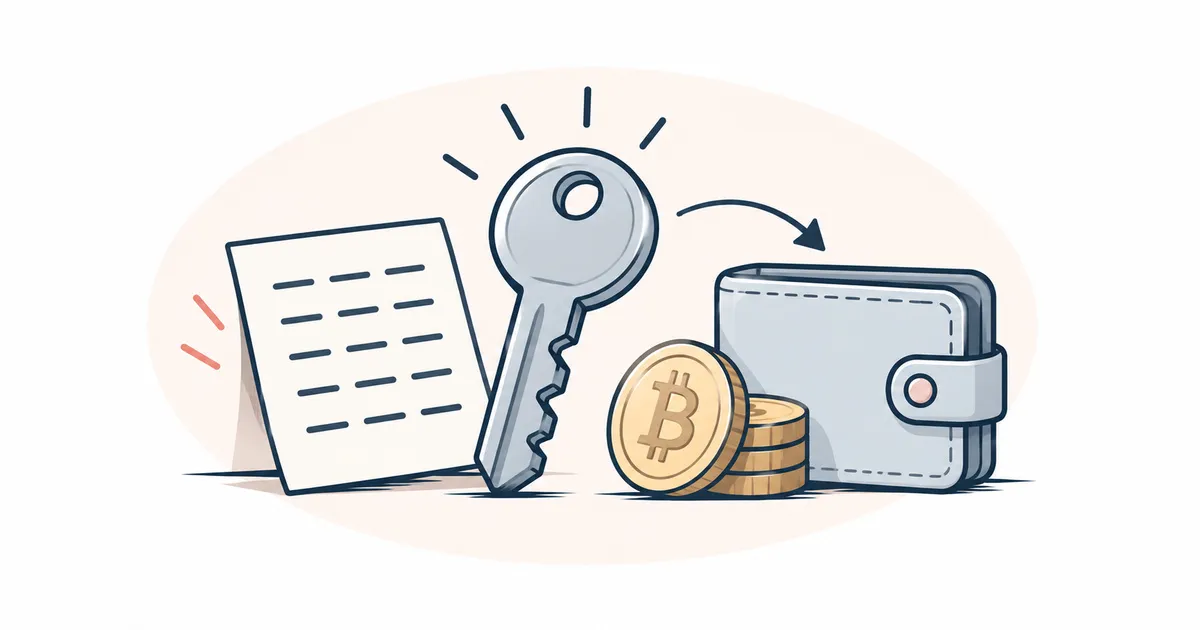
While the coins are on the exchange, it, not you, disposes of the keys, by the principle "not your keys, not your coins" (which the article what is a private key covers), and here a fork appears again. If the amount is small and you trade or spend often, you can leave it on the exchange for a while, understanding that the control is not yours. If, however, you hold for a long time or the amount is large, move it to your own wallet, and how to do it safely is covered in the article how to store crypto.
What's next
It depends on which finish you reached. If you left the coins on the exchange for active use, understanding about control, then that's it, and when withdrawing later check the network and make a test transfer, which the article how to send crypto covers. If you moved the coins to your own wallet for storage or only plan to, then it is done too, and where to put them and how to protect them is covered in the article how to store crypto, while the traps are gathered in phishing and scams.