


How to send crypto: address, network and memo
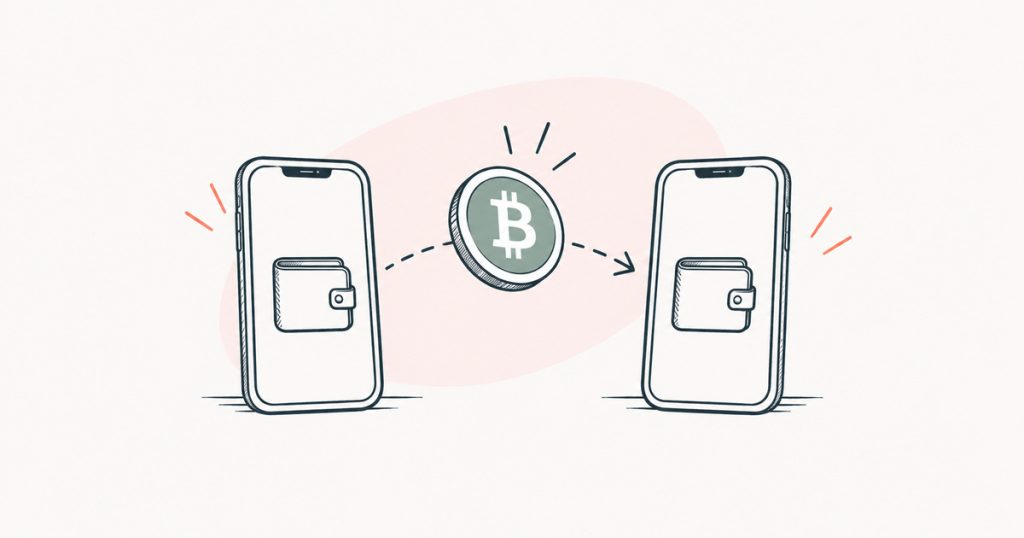
In short: how to send crypto
Sending cryptocurrency means specifying the recipient's address (the long string that identifies their wallet), choosing the correct network (the blockchain the transfer travels over), and paying the network fee (a small charge for processing the transfer, taken in that network's own coin). Money is usually lost on three mistakes, these are the wrong network, the wrong address, and a forgotten memo (a short code appended to the transfer that tells an exchange whose payment it is).
All three mistakes are prevented by a simple rule, first send a small test amount and make sure it arrives, and only then send the rest. Transfers are irreversible, so double-check everything before confirming, not after.
What you need to send crypto
Not much is needed. First, the recipient's address, that is, where you are sending. Second, a little of the right network's coin for the fee, often called gas, and without it the transfer will not go, and why that is is covered in the article what is gas. Third, an understanding that transfers are irreversible, and if you send to the wrong place, getting it back is nearly impossible.
How to send crypto, step by step
Step 1. Get the recipient's address — exactly
Copy the address in full, do not type it by hand, since a single typo is enough to send the transfer to the wrong place. Check at least the first and last characters, and if the recipient gave a QR code, scan it, that is more reliable.
An address does not forgive typos, and what is sent to a wrong or non-existent address usually cannot be returned. Separately, beware of address substitution by malware and the "address from a chat", as well as lookalike addresses that often match at the start and the end. So check the whole address, not just the first and last characters (see phishing and scams).
Step 2. Choose the correct network — and make sure it matches on both sides
The same coin often travels across different networks, and each has its own route, so the sender and the recipient must choose the same network. Before you confirm the transfer, check that the network you chose when sending matches the one the recipient expects. If they match, move on, and if they don't, stop and don't send, since sending over the wrong network is the most common way to lose coins, often irreversibly.
Which networks and address formats a specific coin has, see its profile, and the general points on the fee are in the article what is gas.
Step 3. Check whether a memo (destination tag) is needed
Some transfers, especially to exchanges and in certain networks, need an extra code, a memo or destination tag. It tells the exchange whose account exactly to credit, since many customers' payments arrive at one shared exchange address. If such a code is required and you did not specify it, the transfer may hang or be lost1. So check with the recipient, and if they gave a memo or tag, enter it exactly as given, and if it is your own wallet and no code is required, you can skip the step.
Step 4. Send a test amount, then the rest
Make the first transfer to a new address a small one, that is your test transfer. If it arrives and the recipient sees it, send the rest, and if it does not arrive, do not repeat blindly and first work out where the failure is — address, network, or memo.
The three common losses are the wrong network, the wrong address, and a forgotten memo, and all three are caught by one habit: a test transfer and a check before confirming. Without the network's coin for the fee the transfer simply will not go (see what is gas). Confirming a transfer is irreversible, so double-check before, not after. Current fees are not put into the reference, check the latest in.
Where to go next
It depends on which finish you reached. If this is a transfer to your own wallet, the address and network are checked and the test arrived, then done, and where to put it and how to store it safely is covered in the article how to store crypto. If this is a transfer to an exchange or another person and you added a memo or tag where it was required, then it is done too, and if the funds do not arrive within the expected time, check the memo and the network first. Specifics of particular coins, for example sending USDT with the choice between networks and the particulars of first receipt, are covered in a separate guide how to send USDT.