


Ethereum
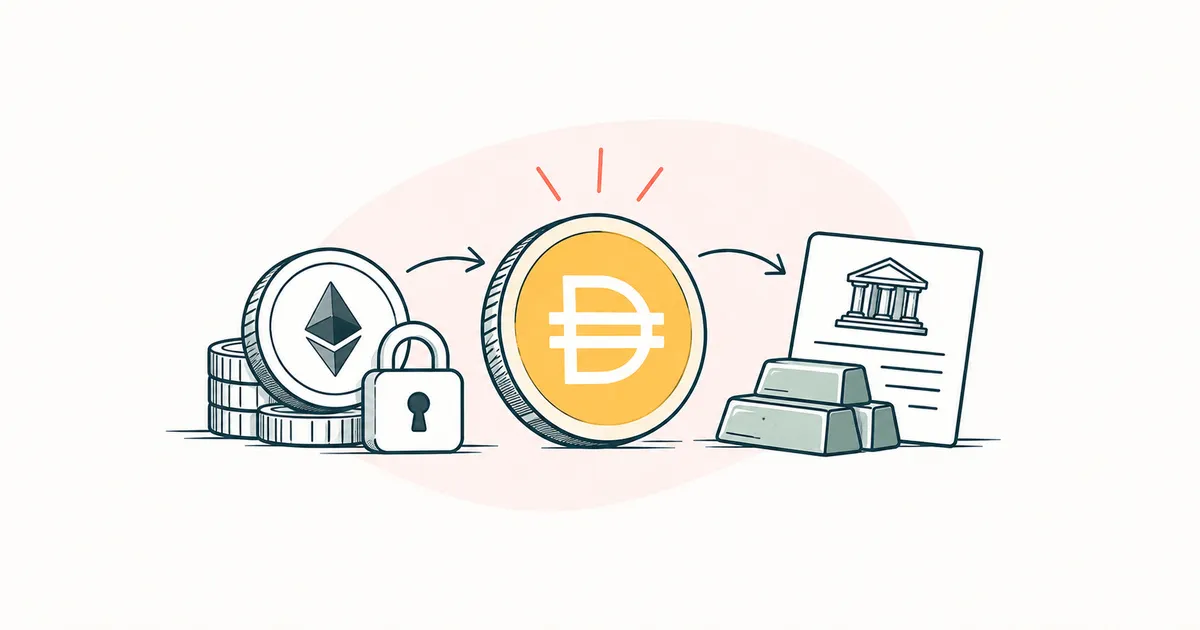 DAI — a collateral-backed stablecoin with no issuing company
DAI is a dollar stablecoin backed by collateral, not a company. How it works, its risks, and what the switch to USDS means.
Ethereum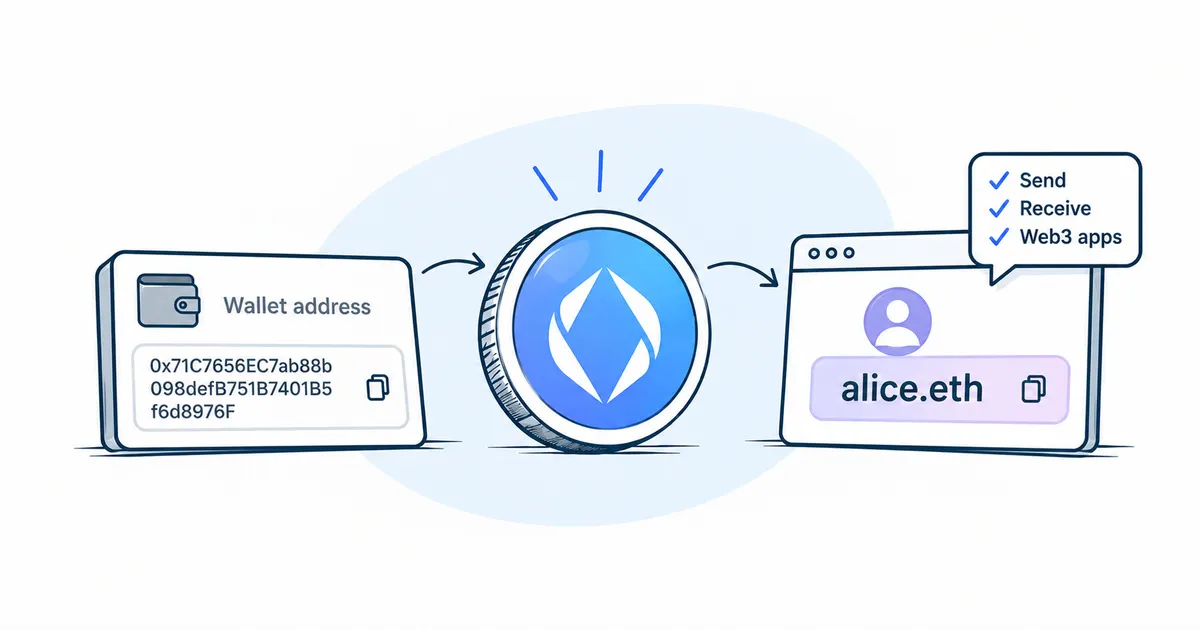 ENS (Ethereum Name Service) — a .eth name instead of an address
ENS gives your wallet a short name like alice.eth instead of a long address. How it works, how it differs from a web domain and why you renew it.
Chain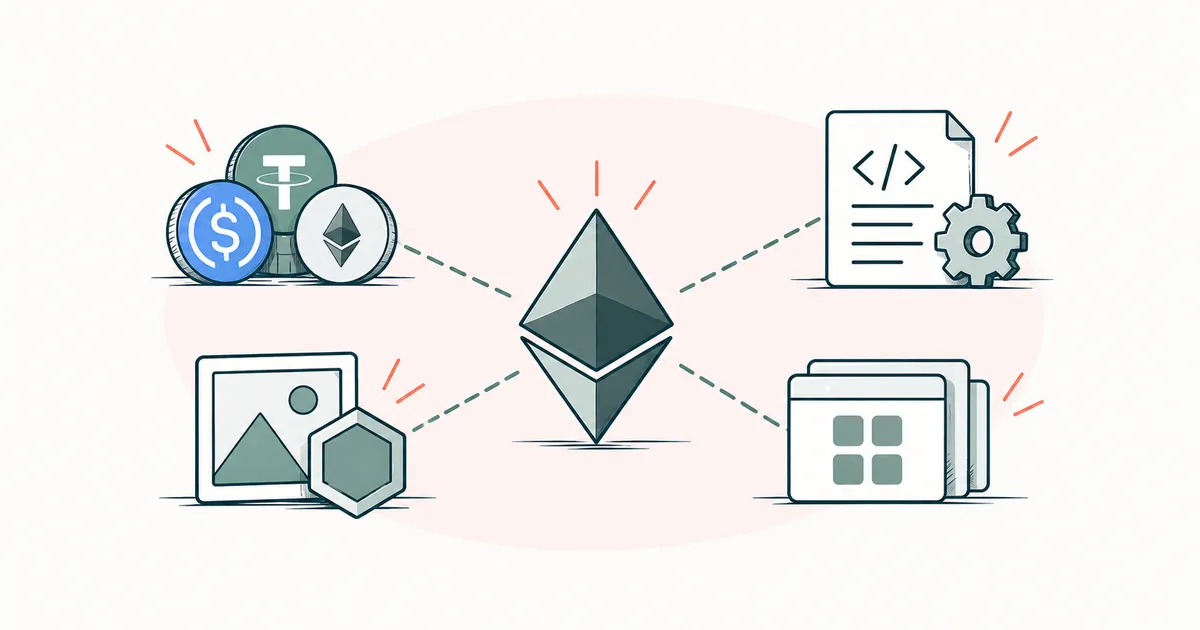 The Ethereum network — how it works and how reliable it is
The Ethereum network is a platform on top of which tokens, stablecoins and NFTs are issued and apps are built. How Proof of Stake secures it, what smart contracts are written in, and how the network differs from the coin ETH.
How crypto works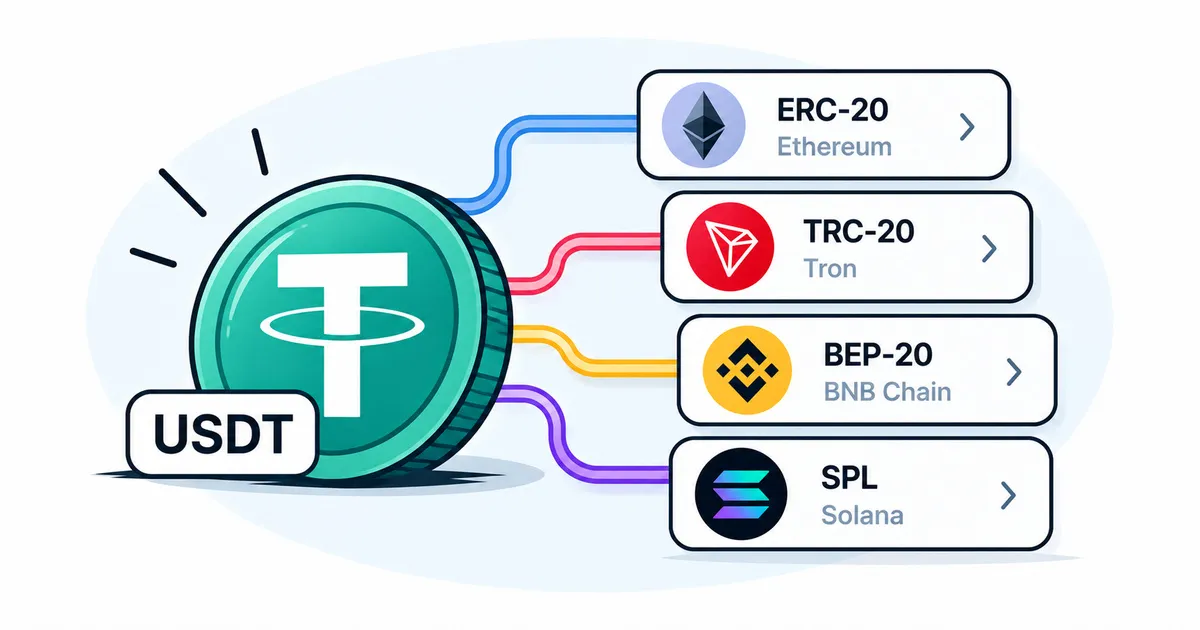 What a token standard is, and why "USDT ERC-20" and "USDT TRC-20" are different networks
A token standard is the shared set of rules that lets wallets and exchanges read a token the same way. Why "USDT ERC-20" and "USDT TRC-20" mean the same token on two networks.
Ethereum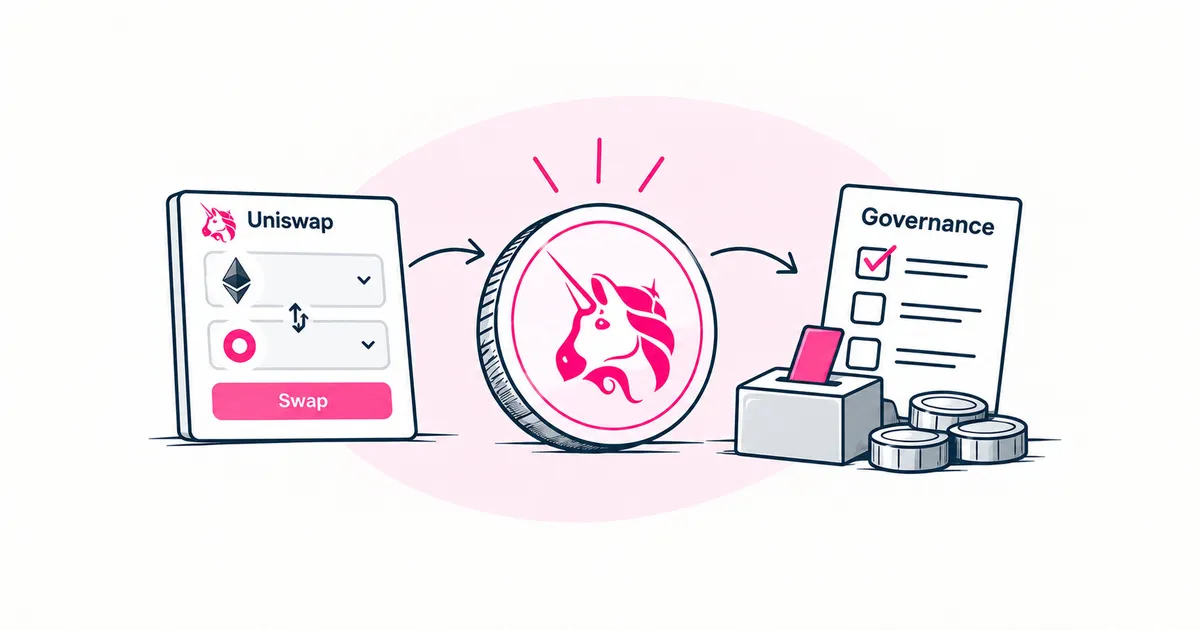 UNI (Uniswap) — the token for voting on the exchange
UNI is the Uniswap exchange token that gives a vote on how it develops further. How voting works, why the exchange's fees burn UNI, how it differs from a stock, and the risks.
Choosing an exchange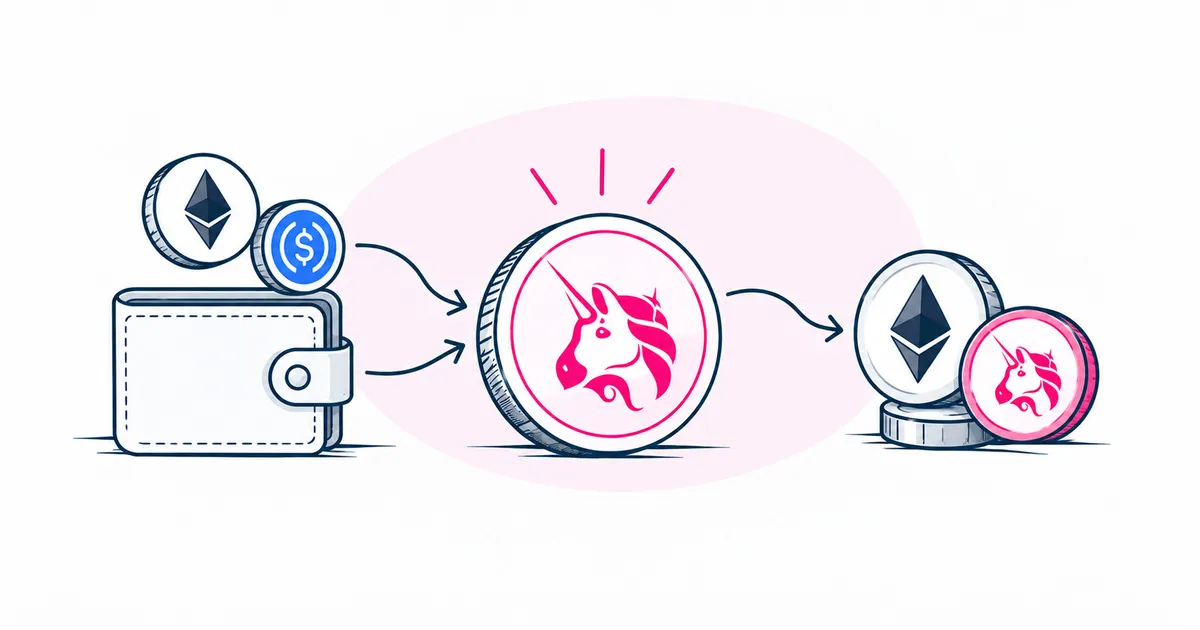 Uniswap — how to use the decentralized exchange
The largest decentralized exchange: swaps straight from your own wallet via a smart contract. No one holds your funds — which changes both upsides and risks.
Security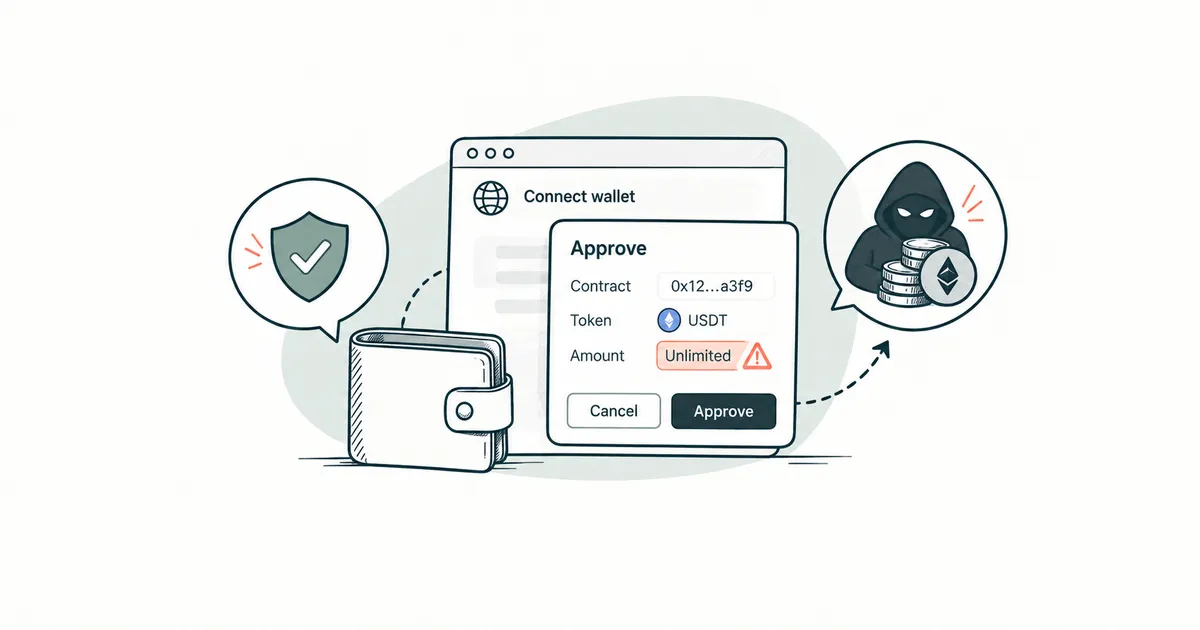 Staying safe when connecting a crypto wallet
Connecting your wallet to a site takes nothing. The danger is in the signatures after it. What approve and permit are, what to check and how to revoke.
Ethereum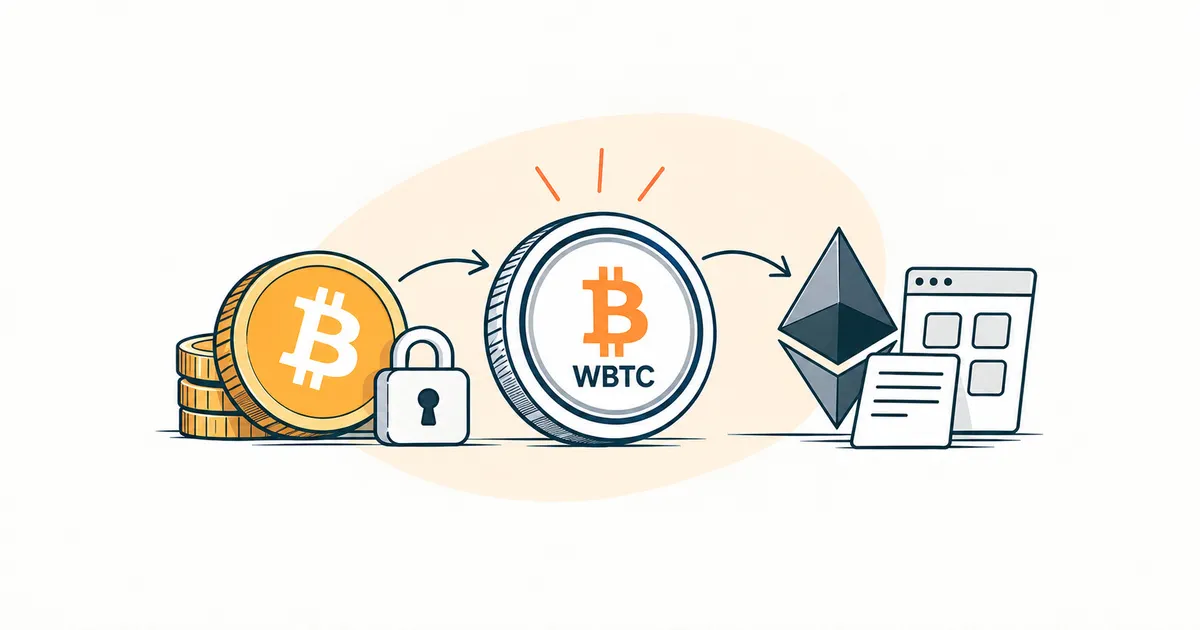 WBTC (Wrapped Bitcoin) — bitcoin as an Ethereum token
WBTC is a token on the Ethereum network backed by a real bitcoin held by a custodian. What it is for, how to get it and swap it back, who holds the BTC, and what happened in 2024.
Article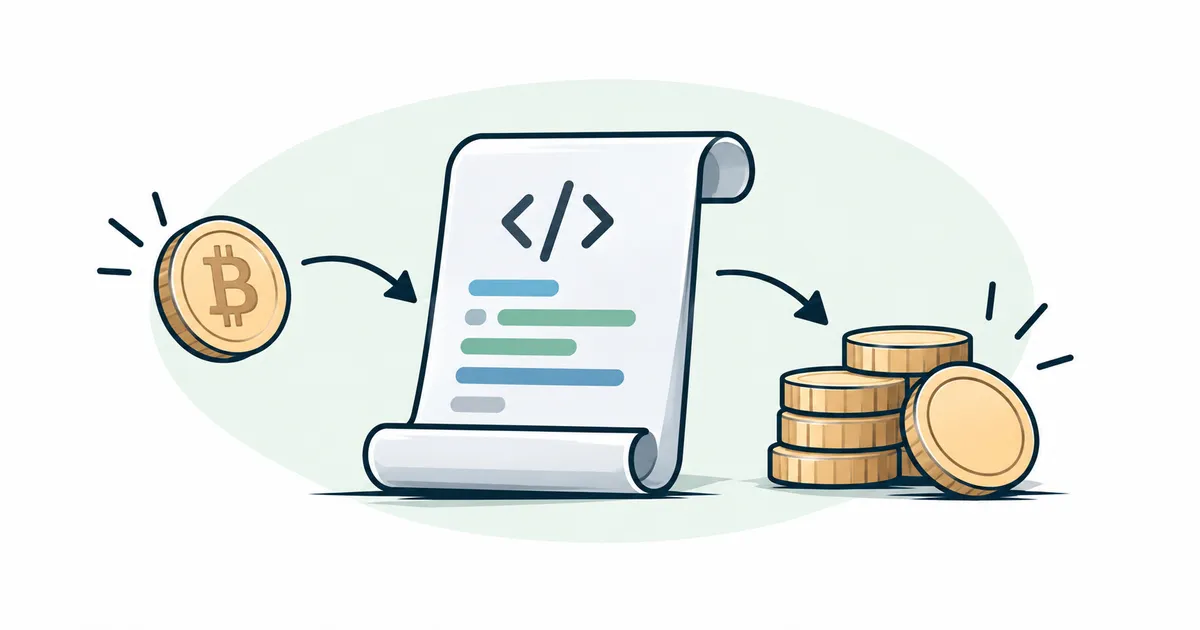 What is a smart contract in a blockchain?
A program that carries out a condition on its own, with no middleman: where smart contracts help and why “code is law” can be dangerous.